
Past the tipping point.
In January, policy professionals said AI regulation couldn't wait.
Nine months later, their patience has run out.

Earlier this year, our January wave of AI thought leadership research found policy professionals in the U.S. and Europe in agreement: AI needed more government regulation, and the window for action was closing. We called it the tipping point.

In the months since, AI regulation has become one of the defining policy conversations of 2026. In the U.S., in particular, different branches of the government are sharply divided on the appropriate response. Although the White House staked out a lighter-touch posture at home and abroad, various bipartisan bills were debated in Congress. Calls for legislation rose to a fever pitch in September when Anthropic CEO Dario Amodei urged industry leaders and legislators to pace frontier model development — a call echoed by OpenAI's Sam Altman and xAI's Elon Musk.

When we returned to the field in September, we found AI optimism in decline and an intensified appetite for regulation among policy professionals on both sides of the Atlantic. Concern has heightened alongside the calls for regulation, with specific targets — from misinformation to existential risk — coming into sharper focus.

Although policy professionals are at the forefront in the U.S., everyday Americans are right behind them. Most Americans agree that AI needs more regulation, especially around how businesses and children & youth use AI, and believe that AI poses an existential risk to humanity. With this consensus between policy elites and the electorate, the push for AI regulation is unlikely to quiet any time soon.

Keep scrolling to read the key findings from this wave of our AI research.
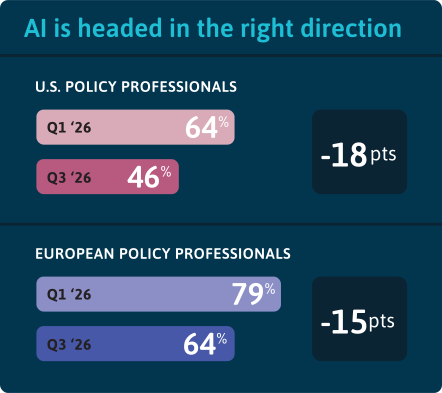
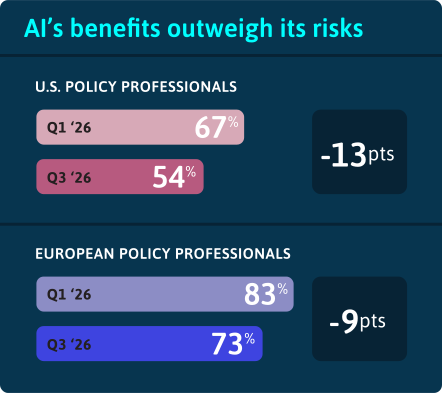
Over the past nine months, AI optimism has declined among policy professionals on both sides of the Atlantic.
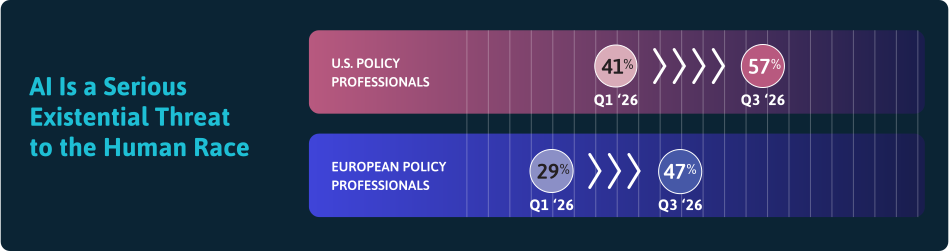
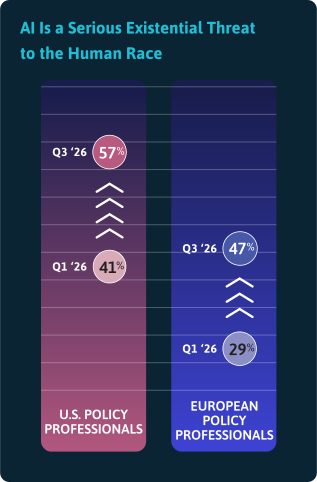
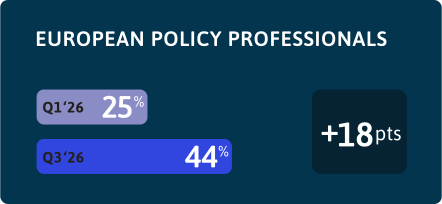
AI is now seen as a serious existential threat by more policy professionals across the U.S. and Europe.
Concern about AI-driven misinformation affecting national security sharpened in both regions.
…think that misinformation created or spread using AI will have a great deal of effect on national security and geopolitical stability in the next 12-24 months.
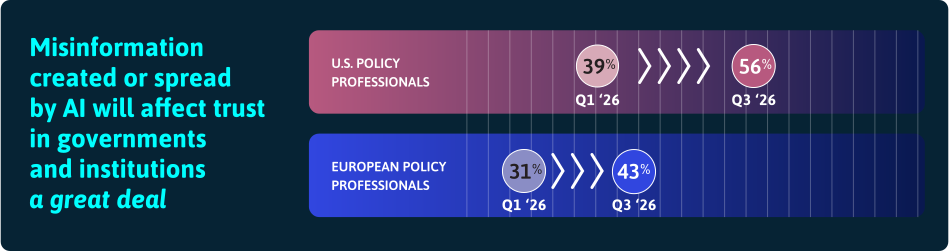
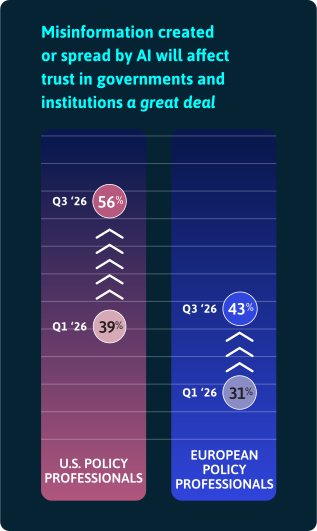
Beyond national security, AI misinformation is seen as a growing threat to public trust in institutions.
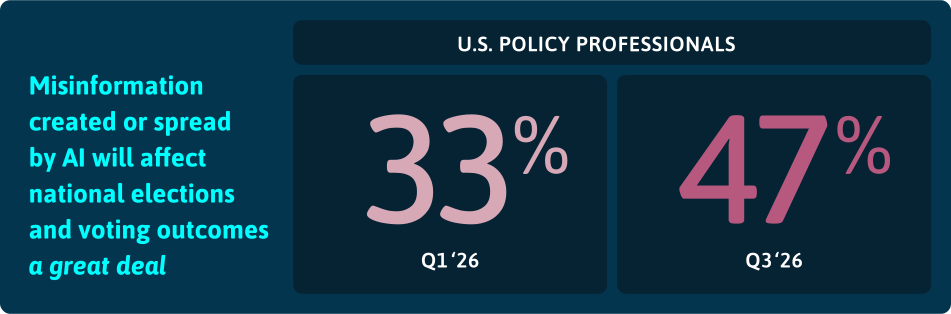
With the midterms approaching, U.S. policy professionals’ concerns around how AI-created or AI-spread misinformation can impact elections have sharpened.
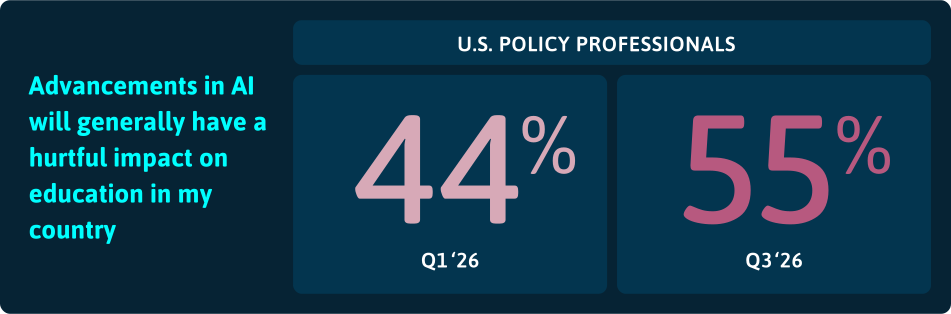
Beyond misinformation, U.S. policy professionals have soured on AI's impact on education.
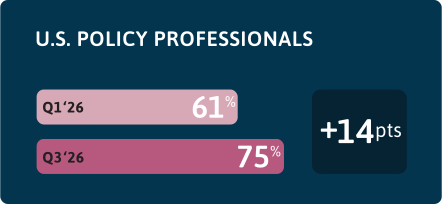
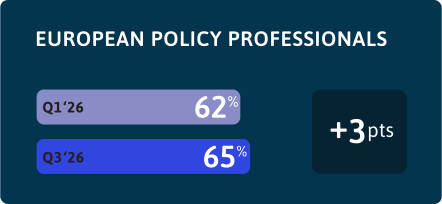
Most policy professionals in the U.S. and Europe say governments aren't taking AI's negative impacts seriously enough.
…disagree that governments are adequately considering AI’s negative impacts.
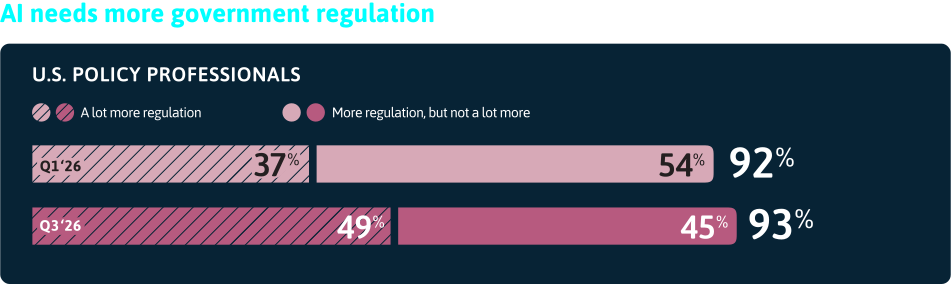
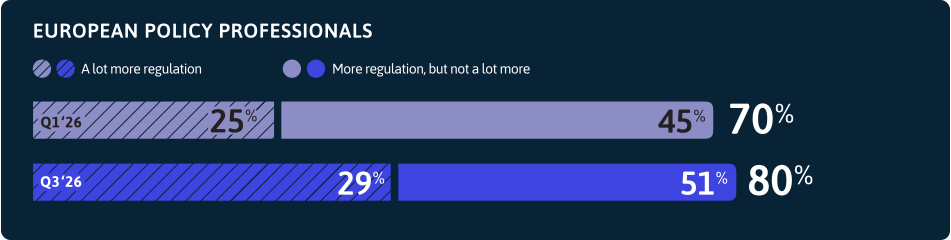
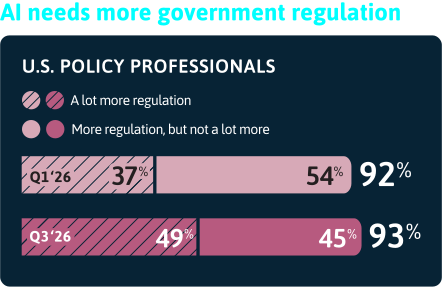
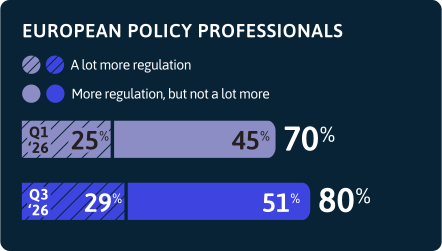
On both sides of the Atlantic, the appetite for increased government regulation of AI intensified.
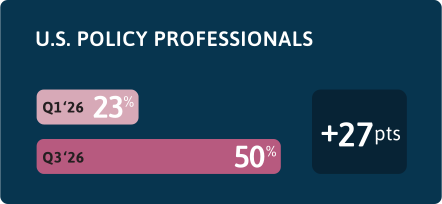
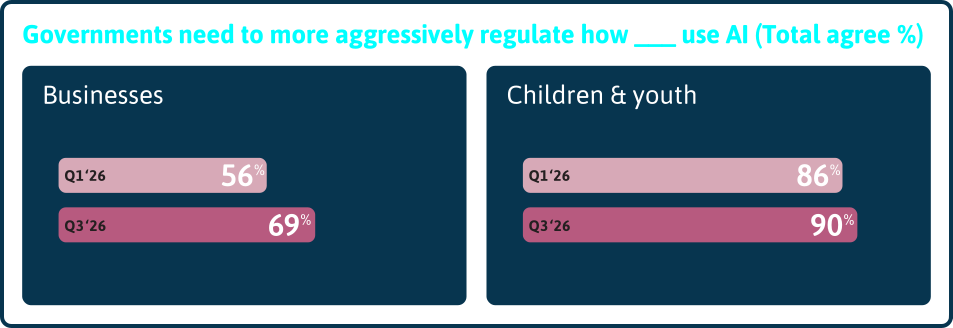
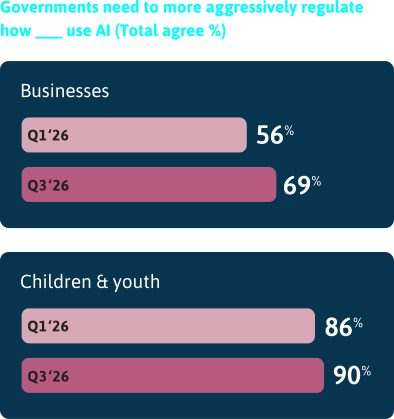
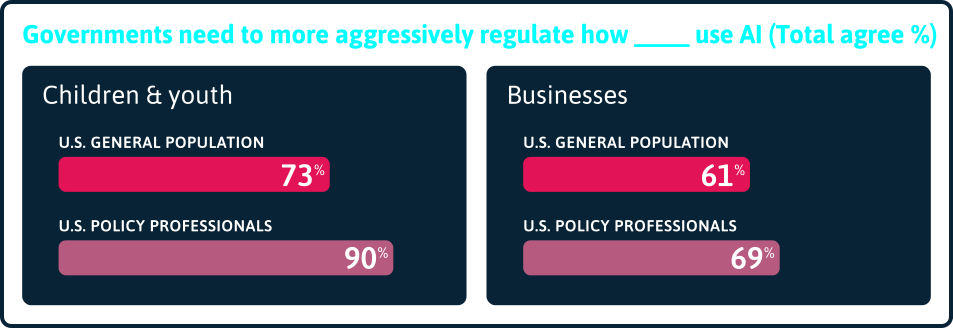
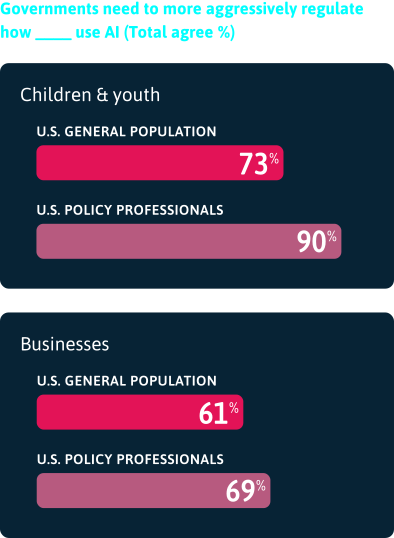
For U.S. policy professionals, it is now more critical than ever before to regulate how businesses and children are using AI.
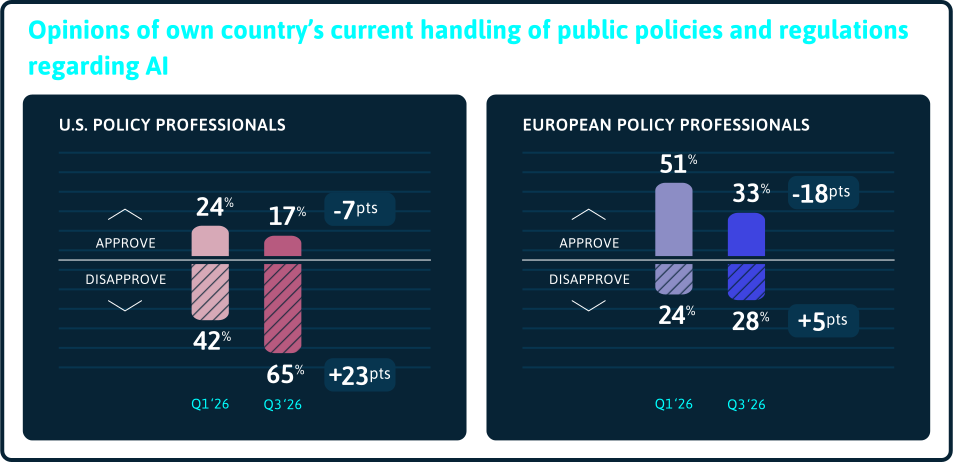
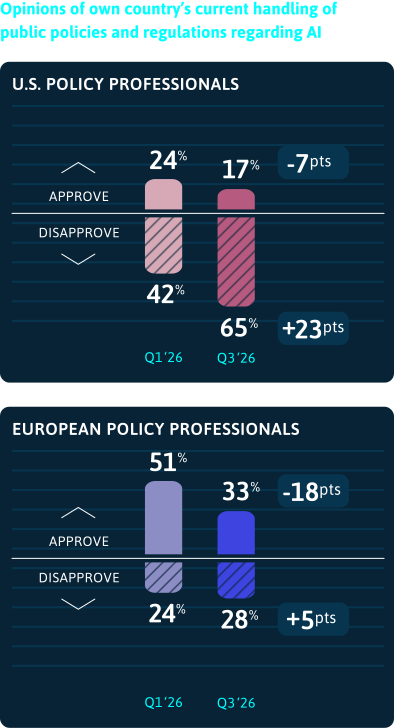
Approval with governments’ handling of AI is waning among policy professionals in the U.S. and Europe.
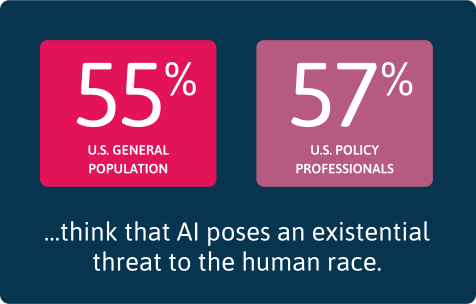
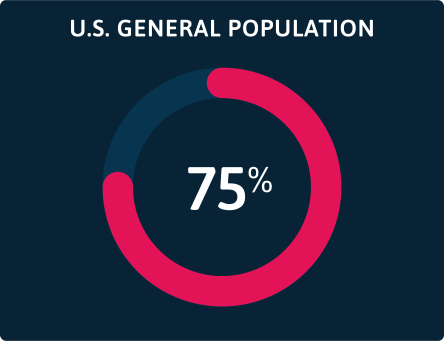
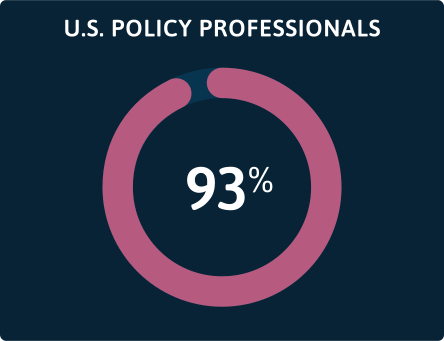
Concern about AI's existential risk isn't limited to policy experts — these fears are shared by the general public in the U.S.
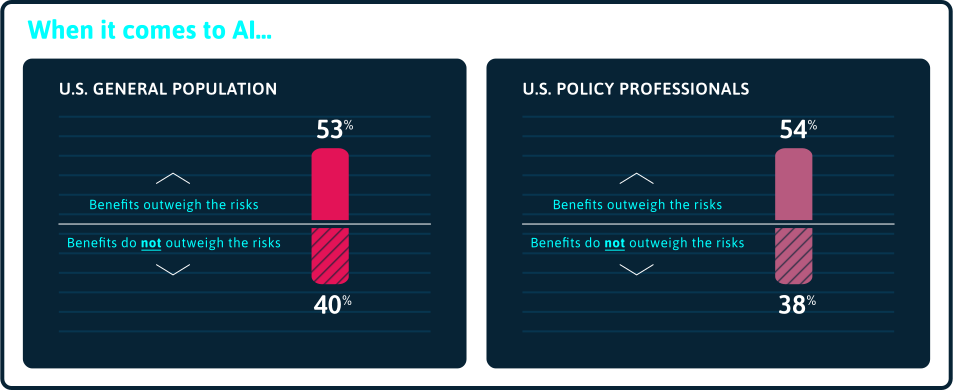
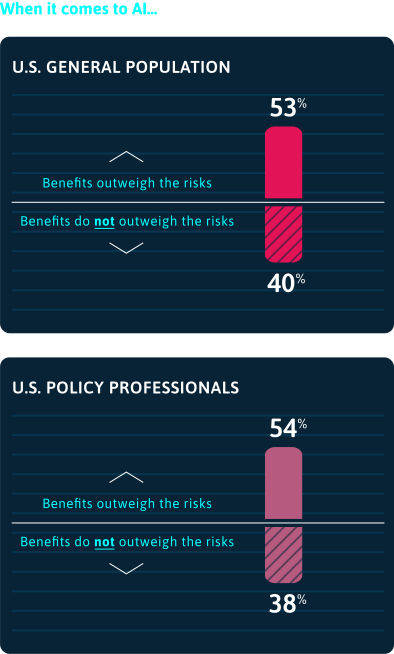
On whether AI's benefits outweigh its risks, public opinion in America mirrors that of policy professionals.
Policy professionals and everyday Americans agree: AI needs more regulation.
…think that AI needs more government regulation.
Across both audiences, increased regulation of AI usage for both businesses and children & youth is most critical.
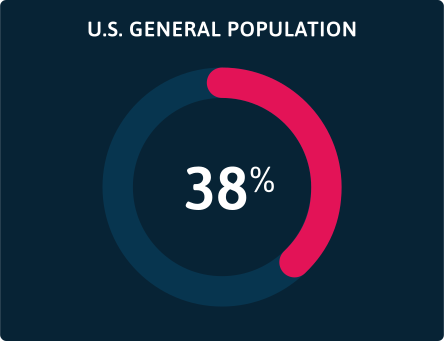
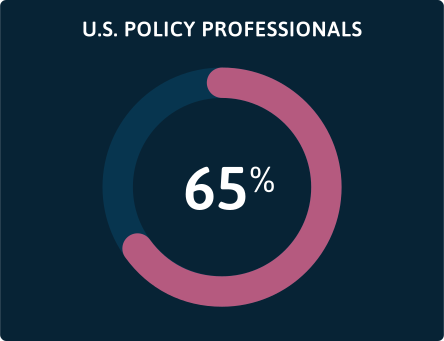
American policy professionals are more frustrated than the general public with the government’s handling of AI to date — a signal of where broader opinion is likely headed.
…disapprove of the way their country is currently handling public policies and regulations regarding AI.
“Policy influencers and everyday Americans are aligned on the need for more regulation — particularly around how businesses and children use AI — with policy professionals’ opinions moving first and the public not far behind,” says William Stewart, President & Founder of Povaddo. “For business leaders, this is a moment to engage in the conversation rather than wait for it to reach them.”
About this Study
In 2024, Povaddo conducted what we believe to be the first global survey of policy professionals examining attitudes toward artificial intelligence (AI). As the global conversation around AI has accelerated—and grown more complex—we returned to the field with a third iteration of our thought leadership survey. The Q3 2026 edition tracks perspectives in the United States and Europe, where debates over regulation, innovation, and societal impact are most actively unfolding. In addition to policy professionals, a general population study of n=499 Americans balanced for census representation was fielded for comparison.
For this wave, we surveyed 599 policy professionals sourced from the Povaddo Panel, including 260 who develop and shape public policy in the United States, 140 across Europe, and 199 in other regions between September 7th - 14th. Policy professionals are defined as individuals who help shape, influence, or analyze public policy as part of their daily work.
For the full findings or general inquiries, please email info@povaddo.com.
About Povaddo
Povaddo is a research firm that specializes in helping our clients develop better strategies and stronger communications to address complex issues and challenges that are facing their organizations.
For over 15 years, Povaddo has completed north of 1,000 studies – surveys, focus groups, and in-depth interviews – across more than 100 countries and six continents. During this time, Povaddo has developed a reputation as one of the foremost opinion research firms capable of handling projects all over the world.
Learn more about Povaddo
For business inquiries, please contact us at: info@povaddo.com